
Employee Tracking System: The Smart Way to Manage Workforce Productivity

Introduction
Managing employees efficiently becomes more challenging as businesses grow. Tracking attendance, working hours, task progress, and employee productivity manually can lead to errors and reduced efficiency.
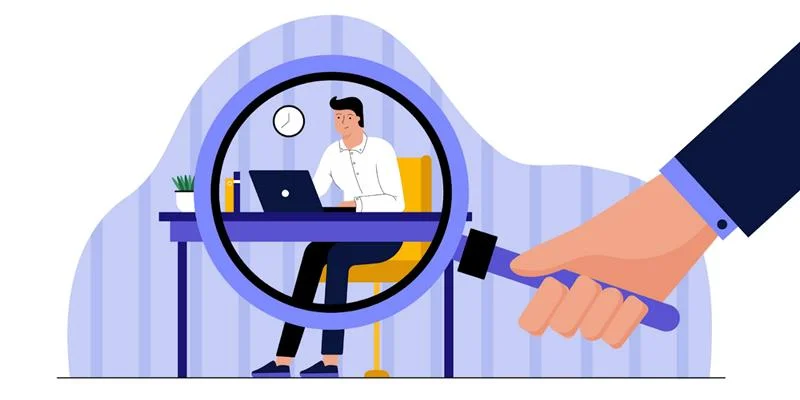
This is where an Employee Tracking System makes a significant difference. It enables businesses to monitor employee attendance, working hours, task progress, field employee locations, and overall productivity through a single centralized platform.
Modern Employee Tracking Systems integrate attendance management with real-time employee monitoring, making workforce management easier, faster, and more accurate.
In this guide, you'll learn what an Employee Tracking System is, how it works, its key features, benefits, and why businesses of all sizes are adopting it to improve operational efficiency and workforce productivity.
What is an Employee Tracking System?
An Employee Tracking System is a software solution that helps organizations monitor and manage employee activities throughout the workday.
It records essential information such as attendance, working hours, task completion, employee performance, and productivity. HR managers and business owners can access all employee information from a centralized dashboard, allowing them to monitor workforce activities in real time.
The system also helps businesses maintain accurate employee records while improving transparency, accountability, and overall operational efficiency.
Common Uses of Employee Tracking Systems
-
Attendance Monitoring
-
Working Hour Tracking
-
Task & Activity Tracking
-
Remote Workforce Monitoring
-
Employee Productivity Analysis
-
Performance Management
Why Do Businesses Need an Employee Tracking System?
As organizations expand, managing employees manually becomes increasingly difficult. Without an efficient tracking system, businesses often struggle with:
-
Inaccurate attendance records
-
Reduced employee accountability
-
Lower workforce productivity
-
Difficulty managing remote and field employees
-
Time-consuming manual reporting
An Employee Tracking System provides real-time visibility into employee activities, helping organizations make better business decisions while improving workforce management and operational performance.
How Does an Employee Tracking System Work?
Modern Employee Tracking Software uses smart automation and real-time technology to monitor employee activities throughout the workday.
Step 1: Employee Check-In
Employees record their attendance using the Employee Tracker.
Key Features
-
Real-Time Attendance Tracking
-
Online & Offline Attendance Mode
-
Automatic Time Stamping
-
Instant Dashboard Updates
Step 2: Activity Recording
The system automatically records important employee activities, including:
-
Login Time
-
Logout Time
-
Total Working Hours
-
Break Duration
-
Overtime Hours
-
Task Progress
Step 3: Real-Time Monitoring
Managers can monitor employee activities through live dashboards, including:
-
Employee Availability
-
Attendance Status
-
Productivity Metrics
-
Work Progress
-
Active Working Hours
Step 4: Automated Reporting
The system automatically generates detailed reports for:
-
Attendance Reports
-
Productivity Reports
-
Employee Timesheets
-
Performance Reports
-
Working Hour Reports
Key Features of the Best Employee Tracking System
1. Attendance Tracking
Attendance management is one of the most essential features of an Employee Tracking System.
The software automatically records:
-
Check-In Time
-
Check-Out Time
-
Late Arrivals
-
Early Departures
-
Employee Absences
-
Attendance History
2. Time Tracking
Time Tracking helps businesses understand how employees utilize their working hours.
Benefits
-
Accurate Work Hour Calculation
-
Better Project Planning
-
Improved Resource Allocation
-
Increased Productivity
-
Automated Timesheets
3. Remote Employee Monitoring
With remote and hybrid work becoming more common, businesses need better visibility into employee activities.
Employee Tracking Software enables organizations to:
-
Monitor Remote Attendance
-
Track Working Hours
-
Manage Distributed Teams
-
Improve Employee Accountability
-
View Real-Time Employee Status
4. Task & Project Tracking
Managers can assign tasks, monitor progress, and ensure projects stay on schedule.
Benefits
-
Better Project Visibility
-
Improved Deadline Management
-
Increased Accountability
-
Enhanced Team Collaboration
-
Real-Time Task Tracking
Track Employee Attendance for Office, Hybrid, Remote & Field Teams
Today's organizations manage employees working from multiple locations, including:
-
In-Office Employees
-
Remote Employees
-
Hybrid Workforce
-
Field Staff
Employees can easily:
-
Check In & Check Out through the Employee Tracker
-
Track Project & Task Progress
-
Update Work Status
-
Join Scheduled Meetings
-
Record Daily Activities
This enables businesses to manage their workforce efficiently, regardless of where employees are working.