
Leave Management System Explained

Introduction
Managing employee leave manually can be a complicated and time-consuming process for businesses. Traditional leave tracking methods such as spreadsheets, paper forms, and manual approvals often lead to errors, confusion, payroll issues, and poor employee experiences.
As organizations grow, handling employee leave requests, attendance records, holiday calendars, and leave balances becomes more difficult. To solve these challenges, businesses are increasingly adopting Leave Management Systems to automate and streamline leave-related processes.
A Leave Management System helps organizations manage employee leave requests, approvals, balances, and records through a centralized digital platform. It improves accuracy, reduces administrative workload, and enhances employee satisfaction.
In this detailed guide, we will explain what a Leave Management System is, how it works, its features, benefits, and why companies need automated leave management in 2026.
What is a Leave Management System?
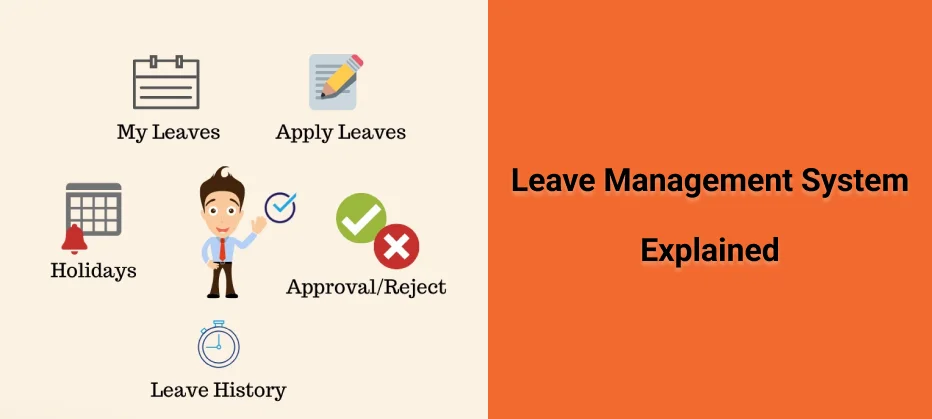
A Leave Management System is software designed to automate the process of managing employee leaves and absences within an organization.
It helps businesses:
- Track employee leave balances
- Manage leave requests
- Automate approvals
- Monitor attendance
- Maintain leave records
- Generate leave reports
The system centralizes all leave-related information and simplifies HR operations.
Types of Employee Leave
A leave management system can manage different types of employee leave such as:
- Casual Leave (CL) : Short-term leave for personal reasons.
- Sick Leave (SL) : Leave provided for medical or health-related reasons.
- Paid Leave (PL) : Employees receive salary during approved leave days.
- Earned Leave (EL) : Leave earned based on employee working days.
- Maternity Leave : Leave granted to female employees during pregnancy and childbirth.
- Paternity Leave : Leave provided to male employees after childbirth.
- Unpaid Leave : Leave without salary deduction adjustments.
- Half-Day Leave : Employees can apply for leave for half of the working day.
- Comp-Off Leave : Leave granted against extra working days or overtime.
How Does a Leave Management System Work?
A leave management system automates the entire leave process from application to approval and reporting.
Step-by-Step Working Process
Employee Leave Application
Employees can apply for leave through:
- Web Portals
- Mobile Apps
- Employee Self-Service Systems
The leave request includes:
- Leave Type
- Leave Dates
- Reason for Leave
- Supporting Documents (if required)
Manager Approval Workflow
The system automatically sends leave requests to managers or HR teams for approval.
Managers can:
- Approve Leave
- Reject Leave
- Request Modifications
Employees receive instant notifications regarding leave status.
Leave Balance Calculation
The software automatically updates:
- Available Leave Balance
- Used Leave
- Remaining Leave Days
This eliminates manual calculations and errors.
Attendance Integration
The leave system integrates with attendance software to automatically update attendance records when leave is approved.
This improves payroll accuracy.
Payroll Integration
Approved leave data is integrated with payroll systems for:
- Salary Adjustments
- Paid Leave Calculations
- Leave Deductions
Payroll processing becomes more accurate and automated.
Leave Reporting
The system generates reports such as:
- Leave History
- Employee Leave Balance
- Absenteeism Reports
- Department Leave Reports
These reports help management analyze workforce availability and productivity.
Key Features of Leave Management System
Online Leave Application
Employees can apply for leave digitally without paperwork.
Benefits:
- Faster Process
- Reduced Paperwork
- Better Convenience
Automated Leave Approval Workflow
Managers receive instant notifications and can approve leave requests quickly.
Features:
- Multi-Level Approval
- Auto Notifications
- Approval Tracking
Leave Balance Tracking
The system automatically tracks:
- Available Leave
- Used Leave
- Carry Forward Leave
This improves transparency for employees and HR teams.
Attendance Integration
Approved leaves automatically update attendance records.
Advantages:
- Accurate Attendance
- Improved Payroll Processing
- Reduced Manual Work
Payroll Integration
Leave data integrates directly with payroll systems for accurate salary calculations.
Mobile Accessibility
Modern leave management systems offer mobile apps for:
- Leave Applications
- Approval Notifications
- Leave Balance Checking
Employees can manage leave from anywhere.
Holiday Calendar Management
The software maintains:
- Public Holidays
- Company Holidays
- Weekend Rules
- Regional Holiday Policies
This improves leave planning.
Real-Time Notifications
Employees and managers receive alerts regarding:
- Leave Requests
- Approvals
- Rejections
- Leave Balance Updates
Analytics & Reporting
The system generates detailed reports for HR and management teams.
Reports Include:
- Leave Trends
- Absenteeism Reports
- Department Leave Reports
- Employee Attendance Reports
Benefits of Leave Management System
Saves Time
Manual leave tracking consumes significant HR time.
Leave automation reduces administrative workload and speeds up approval processes.
Reduces Errors
Automated leave calculations reduce mistakes related to:
- Leave Balances
- Attendance Records
- Payroll Deductions
Improves Employee Experience
Employees can:
- Apply Leave Easily
- Check Leave Balance
- Receive Faster Approvals
This improves employee satisfaction and transparency.
Enhances HR Productivity
- HR teams can focus on strategic tasks instead of manual leave management.
Better Attendance Management
- Leave systems improve attendance accuracy through automated integration.
Improves Payroll Accuracy
- Payroll calculations become more accurate because approved leave data is automatically synced.
Centralized Leave Records
All leave-related information is stored securely in one centralized platform.
This improves:
- Record Accessibility
- Data Organization
- Compliance Tracking
Supports Remote Workforce
- Cloud-based leave management systems allow remote employees to apply for leave from any location.
- This is especially important for hybrid and remote work models.
Better Workforce Planning
- Managers can monitor employee availability and plan resources efficiently.
- This reduces staffing shortages and operational disruptions.
Reduces Paperwork
- Digital leave systems eliminate manual forms and spreadsheets, creating a paperless HR environment.
Why Businesses Need Leave Management Systems
Businesses need automated leave systems because manual leave management often causes:
- Approval Delays
- Attendance Errors
- Payroll Issues
- Employee Confusion
- Administrative Burden
A leave management system improves:
- Operational Efficiency
- Employee Satisfaction
- Payroll Accuracy
- Workforce Planning
Leave Management System for Small Businesses
Small businesses benefit greatly from leave automation because they often have limited HR resources.
The system helps small businesses:
- Simplify Leave Approvals
- Manage Employee Attendance
- Reduce Manual Work
- Improve Payroll Processing
- Enhance Employee Experience
Cloud-based leave systems are affordable and scalable for startups and SMEs.
Industries Using Leave Management Systems
Leave management software is widely used across industries such as:
- Information Technology
- Manufacturing
- Healthcare
- Education
- Retail
- Hospitality
- Construction
- Logistics
- Banking
Every organization with employees can benefit from automated leave management.
Technologies Used in Modern Leave Management Systems
Modern systems use advanced technologies such as:
- Cloud Computing
- Mobile Applications
- AI-Based Automation
- Biometric Integration
- Real-Time Notifications
- HR Analytics
These technologies improve efficiency and employee convenience.
Future of Leave Management Systems
The future of leave management is becoming more intelligent and automated.
Upcoming trends include:
- AI-Powered Leave Recommendations
- Predictive Workforce Planning
- Smart Attendance Integration
- Mobile-First HR Platforms
- Automated Compliance Tracking
Businesses are increasingly adopting cloud-based HR solutions for flexible workforce management.
How to Choose the Best Leave Management System
Before selecting a leave management system, businesses should consider:
Important Factors
- Ease of Use : The system should be easy to use.
- Mobile Accessibility : Employees should access leave features through mobile devices.
- Payroll Integration : Integration improves salary accuracy.
- Security : Employee data should be securely protected.
- Scalability : The system should support business growth.
- Customer Support : Reliable technical support is essential.
Conclusion
A Leave Management System is an essential HR tool that helps businesses automate employee leave tracking, approvals, attendance integration, and payroll management. It reduces manual work, improves accuracy, enhances employee satisfaction, and supports better workforce planning.
Whether you run a startup, small business, or enterprise organization, implementing a leave management system can significantly improve HR efficiency and operational productivity.
As businesses continue adopting digital HR solutions in 2026, automated leave management systems are becoming a critical part of modern workforce management.