What is HRMS Software and How Does It Work?

Introduction
In today’s fast-growing business world, managing employees manually is difficult, time-consuming, and error-prone. Companies need a smart solution to handle employee data, attendance, payroll, leave management, recruitment, and performance tracking efficiently. This is where HRMS Software becomes important.
HRMS software helps businesses automate and simplify Human Resource (HR) operations. Whether it is a small startup or a large enterprise, HRMS systems improve productivity, reduce paperwork, and save valuable time.
In this detailed guide, we will explain what HRMS software is, how it works, its features, benefits, modules, and why businesses need it in 2026.
What is HRMS Software?
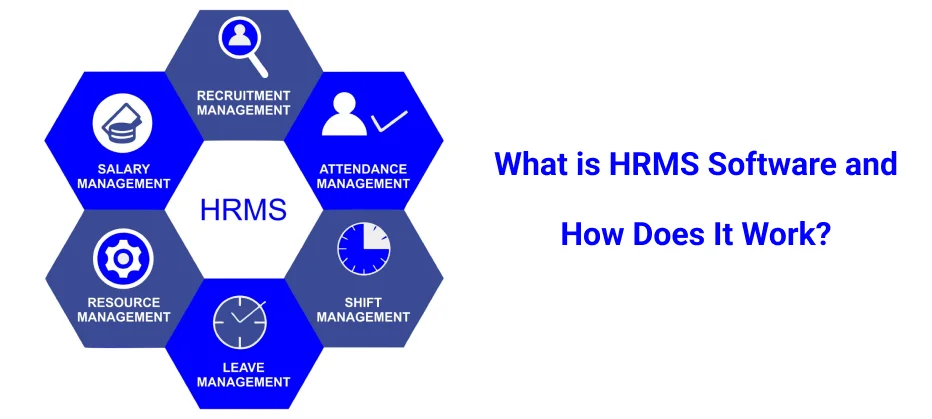
HRMS (Human Resource Management System) is a digital software solution designed to manage and automate HR-related tasks and employee information in one centralized platform.
It combines various HR functions such as:
- Employee Management
- Attendance Tracking
- Payroll Processing
- Leave Management
- Recruitment
- Performance Evaluation
- Employee Self-Service
- Shift Scheduling
- Compliance Management
The main purpose of HRMS software is to streamline HR operations, reduce manual work, and improve employee management efficiency.
Full Form of HRMS
HRMS stands for: Human Resource Management System
It is also sometimes called:
- HR Software
- Human Resource Software
- HR Management Software
- Employee Management System
How Does HRMS Software Work?
HRMS software works by collecting, storing, and managing employee-related data in a centralized database. It automates repetitive HR tasks and allows HR teams to handle operations efficiently.
Step-by-Step Working Process of HRMS Software
Employee Data Collection
When a new employee joins the company, their information is entered into the HRMS system, including:
- Name
- Contact Details
- Department
- Salary
- Documents
- Joining Date
- Bank Details
- Attendance Rules
The system securely stores all employee information digitally.
Attendance Tracking
Employees can mark attendance through:
- Biometric Devices
- Mobile App
- Web Portal
- Face Recognition
- GPS Tracking
The HRMS software automatically records:
- Login Time
- Logout Time
- Working Hours
- Overtime
- Late Marks
This reduces manual attendance errors.
Leave Management
Employees can apply for leave online using the employee self-service portal.
HRMS software automatically:
- Tracks leave balance
- Approves/rejects leave requests
- Updates leave records
- Sends notifications
Managers can review leave requests instantly.
Payroll Processing
The system calculates salaries automatically based on:
- Attendance
- Working Days
- Overtime
- Deductions
- Bonuses
- Taxes
HRMS generates:
- Salary Slips
- Tax Reports
- PF/ESIC Calculations
- Payroll Reports
This minimizes payroll mistakes and saves time.
Performance Management
Managers can track employee performance using KPIs and performance review systems.
Features include:
- Goal Setting
- Employee Reviews
- Ratings
- Appraisals
- Productivity Tracking
This helps improve employee performance and company growth.
Recruitment & Onboarding
HRMS software simplifies hiring processes by managing:
- Job Postings
- Resume Collection
- Interview Scheduling
- Candidate Tracking
- Offer Letters
- Employee Onboarding
Recruiters can manage everything from a single dashboard.
Reports & Analytics
The software generates real-time reports for:
- Attendance
- Payroll
- Employee Performance
- Leave Reports
- HR Analytics
These reports help management make better business decisions.
Main Features of HRMS Software
Employee Management
Stores complete employee information digitally.
Includes:
- Employee Profiles
- Document Management
- Department Details
- Employee History
Attendance Management
Tracks employee attendance automatically.
Features:
- Biometric Integration
- GPS Attendance
- Shift Management
- Overtime Tracking
Payroll Management
Automates salary processing.
Features:
- Salary Calculation
- Tax Management
- Payslip Generation
- Bonus & Incentive Management
Leave Management
Manages employee leaves efficiently.
Features:
- Leave Requests
- Leave Approvals
- Holiday Calendar
- Leave Balance Tracking
Recruitment Management
Simplifies the hiring process.
Features:
- Candidate Database
- Interview Scheduling
- Job Posting
- Resume Tracking
Performance Management
Tracks employee productivity and growth.
Features:
- Goal Tracking
- Appraisal Management
- Employee Reviews
- KPI Monitoring
Employee Self-Service Portal
Employees can manage their own HR tasks.
Employees Can:
- Download Payslips
- Apply for Leave
- Check Attendance
- Update Personal Details
Types of HRMS Software
Cloud-Based HRMS
Hosted online and accessible from anywhere.
Benefits:
- Easy Access
- Low Maintenance
- Automatic Updates
- Scalable
On-Premise HRMS
Installed on the company’s local server.
Benefits:
- Full Data Control
- High Customization
- Better Internal Security
Hybrid HRMS
Combination of cloud and on-premise solutions.
Benefits of HRMS Software
- Saves Time : Automates repetitive HR tasks and reduces manual work.
- Improves Accuracy : Reduces errors in payroll, attendance, and employee records.
- Better Employee Experience : Employees can access HR services anytime through self-service portals.
- Increases Productivity : HR teams can focus on strategic tasks instead of paperwork.
- Centralized Data Management : All employee data is stored securely in one place.
- Enhanced Security : Protects sensitive employee information with secure access control.
- Real-Time Reporting : Provides instant access to HR reports and analytics.
Why Businesses Need HRMS Software
Modern businesses need HRMS software because manual HR processes are:
- Slow
- Error-Prone
- Difficult to Manage
- Time-Consuming
HRMS software helps organizations:
- Improve HR efficiency
- Reduce operational costs
- Increase employee satisfaction
- Ensure legal compliance
- Manage remote workforce effectively
Industries Using HRMS Software
HRMS software is widely used across different industries:
- IT Companies
- Manufacturing
- Healthcare
- Education
- Retail
- Construction
- Logistics
- Banking
- Hospitality
HRMS Software for Small Businesses
Small businesses can benefit greatly from HRMS software because it:
- Reduces HR workload
- Automates attendance and payroll
- Improves employee management
- Saves operational costs
Cloud-based HRMS solutions are especially suitable for startups and SMEs.
HRMS Software vs HRIS vs HCM
|
Feature |
HRMS |
HRIS |
HCM |
|
Employee Data |
Yes |
Yes |
Yes |
|
Payroll |
Yes |
Limited |
Yes |
|
Recruitment |
Yes |
Limited |
Advanced |
|
Performance Management |
Yes |
No |
Yes |
|
Talent Management |
Basic |
No |
Advanced |
|
Workforce Planning |
Limited |
No |
Yes |
Key Technologies Used in Modern HRMS
Modern HRMS systems use advanced technologies such as:
- Artificial Intelligence (AI)
- Cloud Computing
- Machine Learning
- Mobile Applications
- Biometric Integration
- Face Recognition
- Automation Tools
These technologies improve HR efficiency and employee experience.
How to Choose the Best HRMS Software
Before selecting HRMS software, businesses should consider:
Important Factors
- Company Size
- Budget
- Required Features
- Ease of Use
- Mobile Accessibility
- Integration Options
- Data Security
- Customer Support
Future of HRMS Software
The future of HRMS software is highly technology-driven.
Upcoming trends include:
- AI-Powered Recruitment
- Smart Attendance Systems
- Predictive Analytics
- Remote Workforce Management
- Chatbot-Based HR Support
- Advanced Employee Analytics
Businesses are increasingly adopting cloud-based HRMS solutions for flexibility and scalability.